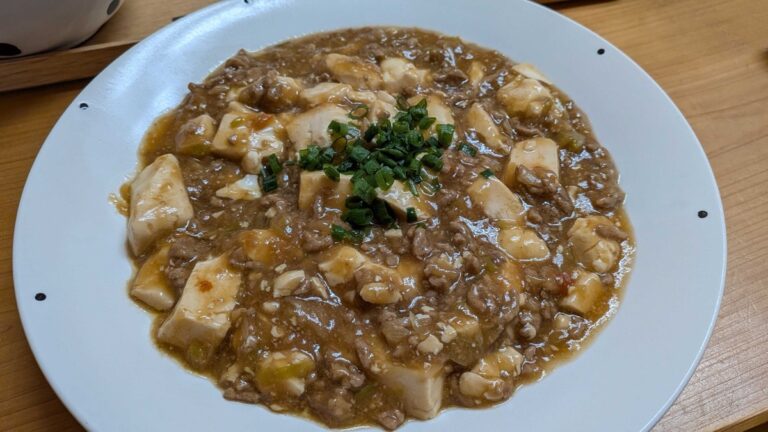
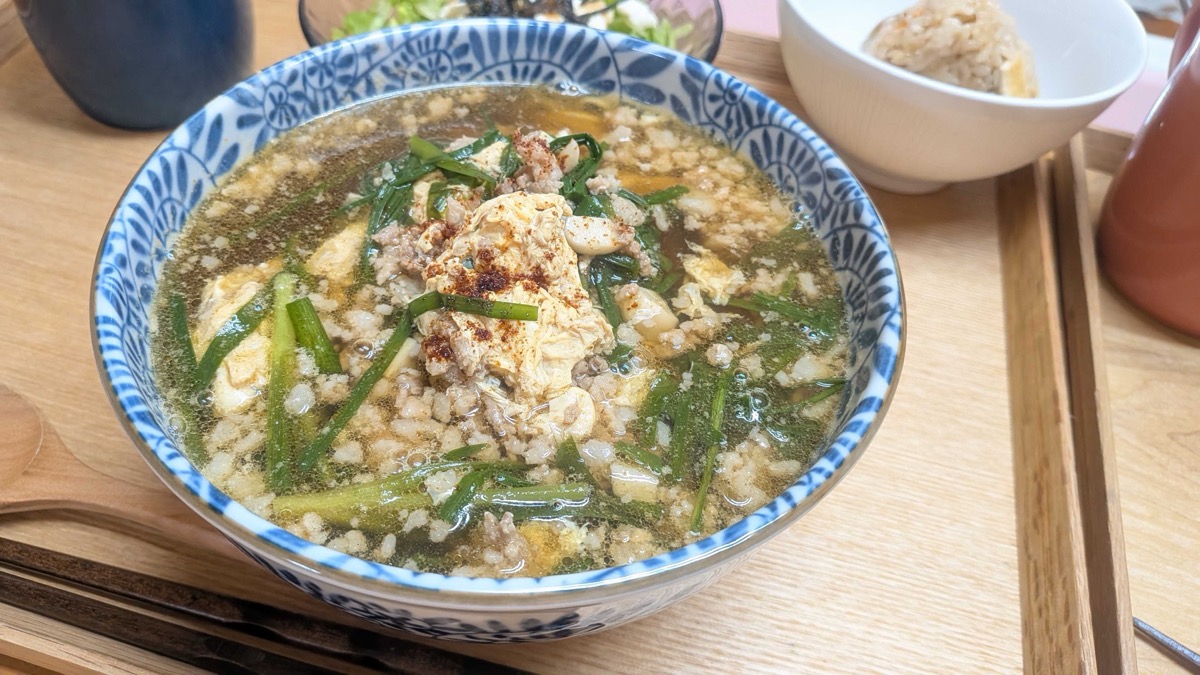
Miyazaki Karamen (Spicy Japanese Noodle Soup with Garlic, Egg and Chives)
Karamen (辛麺) is a spicy noodle soup from Miyazaki Prefecture in Kyushu: a light, garlicky chicken broth with ground pork, soft-set egg, and a big handful of garlic chives, finished with Korean chili pepper. It’s red, it’s comforting, and you choose how hot it gets. It’s the kind of thing we make at home when the weather turns cold.
I followed a copycat recipe and then adjusted it the way you do at home — tasting the broth and adding a little more chicken bouillon or soy sauce until it was right. Restaurants serve it with a special chewy noodle, but I used ordinary dried Chinese noodles from the supermarket, and the garlic chives came straight from the bag I always keep in the freezer. Each of us added our own chili at the table.
Disclosure: some links below are affiliate links. As an Amazon Associate I earn from qualifying purchases, at no extra cost to you.
 Save
The Short Answer
If you just want the method:
- What it is: karamen is a spicy noodle soup from Miyazaki in Kyushu — chicken broth with ground pork, lots of garlic, egg, and garlic chives, topped with Korean chili pepper.
- The broth: for 2 bowls, 1.2 liters of water, 2 tbsp chicken bouillon powder, and 2 tsp light soy sauce, adjusted to taste.
- The order: boil the broth, cook the garlic and pork in it, drizzle in beaten egg and let it set, then add the garlic chives for the last few seconds.
- The heat: Korean chili powder goes on at the end, as much or as little as each person likes. Doubanjiang adds a deeper, savory heat.
Why You’ll Love This Recipe
- One pan, about 15 minutes. The soup is made in a frying pan while the noodles boil.
- Everyone picks their own heat. The chili goes on at the end, so one pot works for someone who loves spice and someone who doesn’t.
- Light but satisfying. A clear, garlicky broth instead of a heavy ramen soup, with egg and pork for substance.
- Pantry ingredients. Chicken bouillon, soy sauce, ground pork, eggs, and chives — no long-simmered stock.
What is Miyazaki Karamen?
Kara (辛) means spicy and men (麺) means noodles. Karamen is a regional dish from Miyazaki Prefecture, credited to a restaurant in the city of Nobeoka, and it has since spread across Japan through restaurant chains. What makes it different from Korean-style spicy ramen is the broth: it starts light and savory, built on chicken stock and a lot of garlic, and the heat comes from chili pepper added on top rather than a spicy paste cooked into the soup.
About the Noodles
Karamen restaurants are known for a very chewy, springy noodle called konnyaku-men. Despite the name, it isn’t made from konnyaku — it gets the name from its bouncy texture. It’s hard to find outside Miyazaki, so most home versions use something else. I used dried Chinese-style noodles (the kind used for ramen); thick, chewy udon is another good choice.
Ingredients (Serves 2)
| Ingredient | Amount | Notes |
|---|---|---|
| Water | 1.2 liters (about 5 cups) | Broth |
| Chicken bouillon powder | 2 tbsp | Broth; adjust to taste |
| Light soy sauce (usukuchi) | 2 tsp | Broth; adjust to taste |
| Ground pork | 160g (about 5½ oz) | |
| Soy sauce | 2 tsp | To season the pork |
| Sake | 2 tsp | To season the pork |
| Garlic | 8–10 cloves | Roughly chopped — yes, really |
| Eggs | 2 | Beaten |
| Garlic chives (nira) | 1 bunch | Cut into 5 cm (2-inch) lengths; frozen is fine |
| Korean chili powder (gochugaru) | To taste | Added at the end |
| Doubanjiang (chili bean paste) | To taste | Optional, for extra heat |
| Noodles | 2 portions (about 150g dried) | Chinese-style noodles or udon |
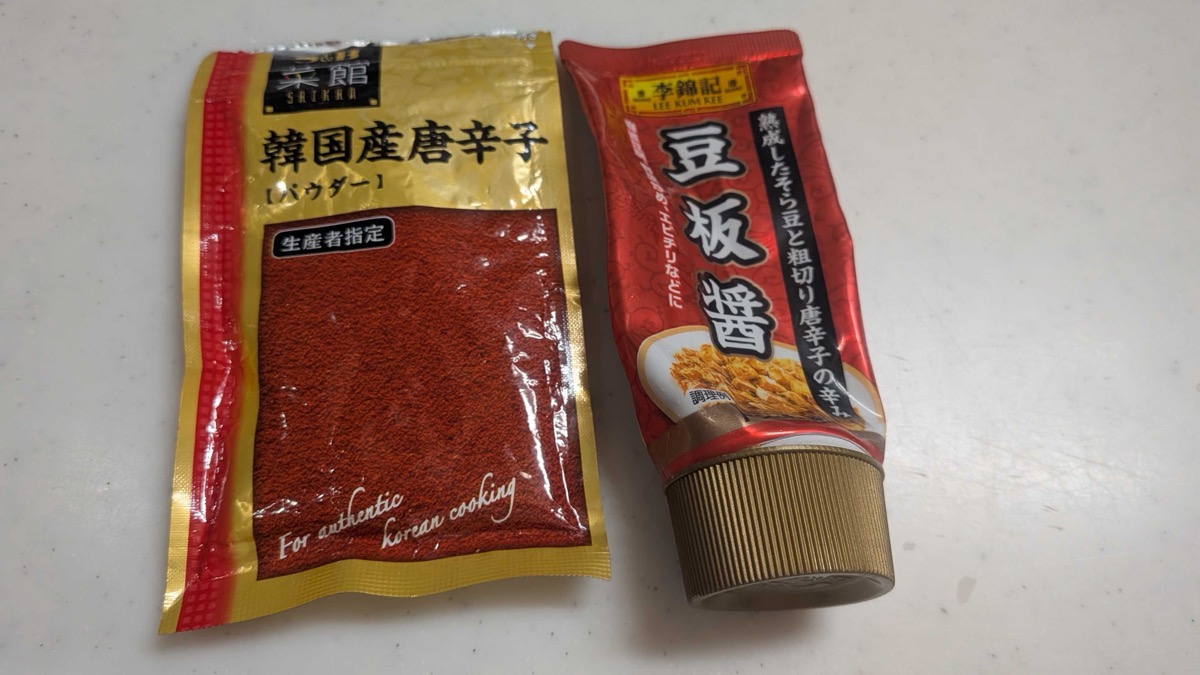
The broth is seasoned with light soy sauce (usukuchi), which adds saltiness without darkening the soup, plus regular Japanese soy sauce for the pork. For the heat, use Korean chili powder (gochugaru) rather than cayenne or Japanese ichimi — it’s milder, fruitier, and has a deep red color, so you can use plenty of it. The recipe I followed recommends coarse gochugaru; I had fine powder, and it worked well too.
 Save
How to Make Karamen
Step 1: Prep the Garlic, Chives, and Pork
Crush the garlic with the flat of your knife and chop it roughly — leave it in chunky pieces rather than mincing it, so it softens in the broth and you get sweet bites of garlic. Cut the garlic chives into 5 cm (2-inch) lengths. Mix the ground pork with the soy sauce and sake, and beat the eggs.
I always keep a bag of cut garlic chives in the freezer, since a bunch goes limp in the fridge within a few days. They go straight into the soup from frozen.
 Save
Step 2: Bring the Broth to a Boil
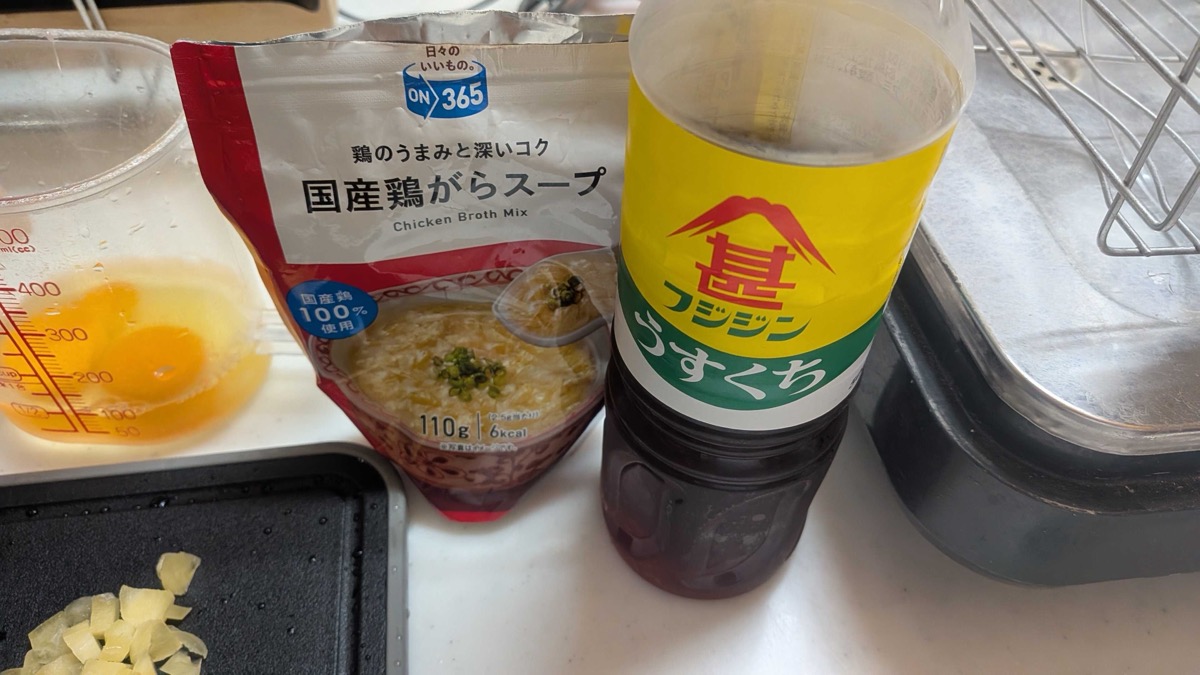
Put the water, chicken bouillon powder, and light soy sauce in a large frying pan or pot and bring it to a boil. At the same time, put a separate pot of water on for the noodles.
 Save
Step 3: Cook the Garlic and Pork in the Broth
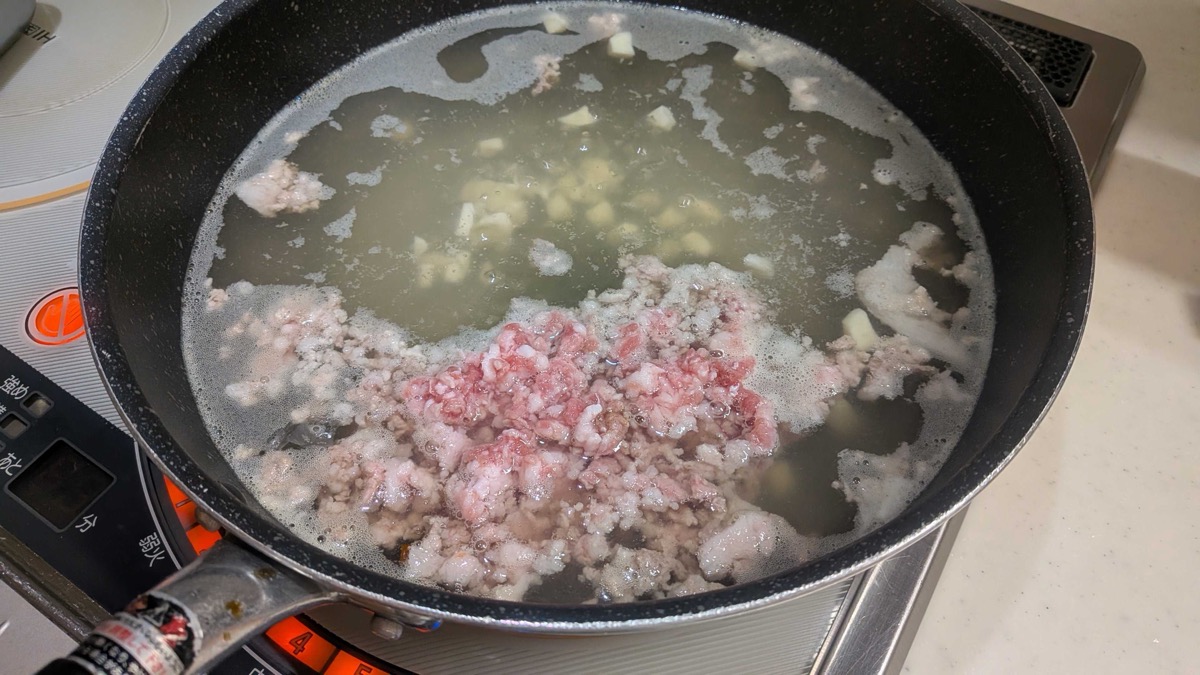
Once the broth is boiling, add the garlic and the pork, breaking the meat up as it goes in. When the pork has turned pale, skim off the foam. Then taste the broth and adjust — a little more bouillon if it tastes thin, a few more drops of soy sauce if it needs salt. This is the step where you make it your own.
 Save
Step 4: Drizzle in the Egg, Then Add the Chives
Turn the heat down to low and pour the beaten egg in a thin stream, moving around the pan. Don’t stir — leave it alone until it sets into soft, fluffy ribbons. Then add the garlic chives and cook for about 30 seconds, just until they turn bright green. Turn off the heat.
 Save
 Save
Step 5: Boil the Noodles
Cook the noodles according to the package, drain them well, and divide between two large bowls.
 Save
Step 6: Pour Over the Soup and Add Chili to Taste
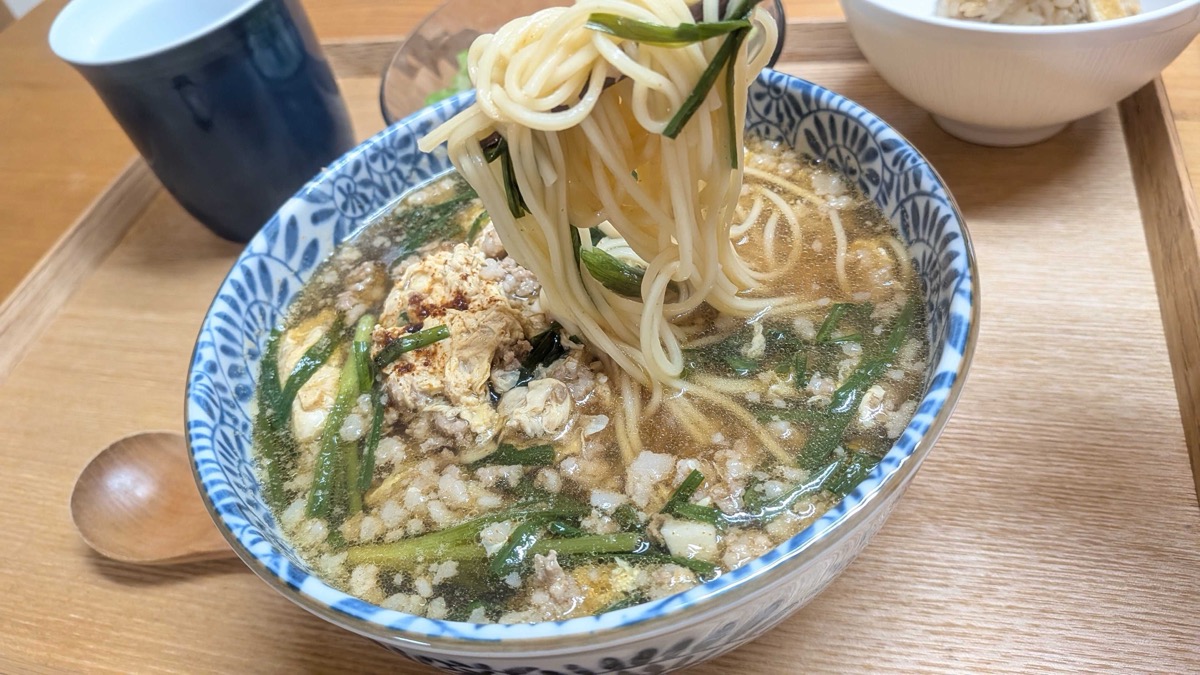
Ladle the soup over the noodles, with plenty of pork, egg, and chives in each bowl. Then add the Korean chili powder — a pinch for mild, a spoonful or more for properly spicy — and doubanjiang if you want more heat. In our house, each of us seasons our own bowl.
 Save
 Save
Tips and Variations
- Add the chili last. Stirring chili into the pot makes the whole batch the same heat. Adding it to each bowl lets everyone choose — and keeps the color bright.
- Don’t stir the egg. Leave it to set in the broth before touching it, or it breaks into tiny bits and clouds the soup.
- Try different noodles. Udon, shirataki, or rice noodles all work. A small bowl of rice on the side is good for soaking up the last of the broth.
- Swap the meat. Ground chicken makes a lighter soup; mixed beef and pork (what the original recipe uses) makes it richer.
What to Serve It With
- A small bowl of rice or fried rice — like the takana chahan, another Kyushu favorite.
- Something cool and fresh, like a chuka-style avocado salad, to balance the heat.
- If you like pork and garlic chives together, try nira buta, a stir-fry made with the same two ingredients.
Storing and Reheating
Store any leftover soup separately from the noodles, in the fridge for up to 2 days. Cooked noodles left in the soup turn soft and soak up the broth. Reheat the soup until simmering, cook fresh noodles, and add the chili after reheating.
Frequently Asked Questions
Is karamen very spicy?
Only as spicy as you make it. The broth itself isn’t spicy at all — all the heat comes from the chili added at the end. Restaurants let you choose your spice level, and at home you can do the same, bowl by bowl.
What noodles are used in karamen?
Restaurants use a chewy noodle called konnyaku-men, named for its texture rather than its ingredients. At home, Chinese-style ramen noodles or udon are the easiest substitutes.
What is the difference between karamen and Korean spicy ramen?
Korean spicy ramen usually has the chili cooked into a rich, red broth. Karamen starts with a light chicken and garlic broth, softened with egg and chives, and the chili goes on top — so it tastes cleaner and more garlicky, and the heat is adjustable.
Can I use frozen garlic chives?
Yes. Frozen chives go straight into the hot broth and are ready in seconds. Many Japanese home cooks cut and freeze a whole bunch as soon as they buy it.
Miyazaki Karamen (Spicy Japanese Noodle Soup)
Ingredients
Method
- Crush and roughly chop the garlic. Cut the garlic chives into 5 cm (2-inch) lengths. Mix the ground pork with the soy sauce and sake. Beat the eggs.
- Bring the water, chicken bouillon powder, and light soy sauce to a boil in a large frying pan or pot. Put a separate pot of water on for the noodles.
- Add the garlic and pork to the boiling broth, breaking up the meat. When the pork turns pale, skim off the foam. Taste and adjust with more bouillon or soy sauce.
- Reduce the heat to low and pour in the beaten egg in a thin stream. Leave it without stirring until set. Add the garlic chives and cook for about 30 seconds, then turn off the heat.
- Cook the noodles according to the package, drain, and divide between two bowls.
- Pour the soup over the noodles. Each person adds Korean chili powder and doubanjiang to taste.