Bibimbap — Easy Japanese-Home-Style Korean Rice Bowl
Bibimbap (ビビンバ) — a bowl of rice topped with seasoned vegetables, savory meat, and an egg, all mixed together before eating — is one of our favorite ways to turn a batch of namul into a proper meal. This is the easy home version I make: a quick sweet-and-savory ground meat topping, three-color namul, a spoonful of kimchi, and a soft onsen egg with a runny yolk on top. Mix it all up and every bite is different.
It looks impressive in the bowl but it’s genuinely simple, especially if you already have namul made. I based it on a hugely popular Japanese home recipe and seasoned the meat with Fundokin soy sauce, mirin, and a little gochujang for that Korean kick. Here’s how I put it together.
Disclosure: some links below are affiliate links. As an Amazon Associate I earn from qualifying purchases, at no extra cost to you.

Why You’ll Love This Recipe
- A whole meal in one bowl. Rice, vegetables, meat, and egg together.
- Great use for namul. If you’ve made a batch of namul, dinner is almost done.
- That runny egg. A soft onsen egg mixed through the rice makes everything richer.
- Customizable. Adjust the gochujang and kimchi to make it as mild or spicy as you like.
What is Bibimbap?
Bibimbap literally means “mixed rice” in Korean. It’s a bowl of warm rice topped with an assortment of seasoned vegetables (namul), often some meat, a fried or soft egg, and gochujang (Korean chili paste), which you stir together thoroughly right before eating. It’s hugely popular in Japan too, where home cooks make an easy weeknight version like this one. The heart of it is the three-color namul — make that first and the bowl comes together in minutes.
Ingredients (Serves 2)
| Ingredient | Amount | Notes |
|---|---|---|
| Cooked rice | 2 bowls | Warm |
| Ground meat (beef or pork) | 200 g | Beef, pork, or a mix |
| Three-color namul | To taste | See my namul recipe |
| Kimchi | To taste | |
| Egg | 2 | Onsen or soft-fried |
| Toasted sesame seeds | To finish |
For the Seasoned Meat
- 1 tbsp soy sauce
- 1 tbsp mirin
- 1 tbsp sake
- 1 tsp sugar
- 1 tsp gochujang (Korean chili paste), to taste
- A little grated garlic and ginger

How to Make Bibimbap
Step 1: Make the Namul and Onsen Egg
Have your three-color namul ready — this is the main component, so make it first (or use a batch from the fridge). Prepare soft onsen eggs too, so everything’s ready to assemble once the meat is cooked.
Step 2: Brown the Ground Meat
Heat a little oil in a pan and cook the ground meat over medium-high heat, breaking it up, until it’s browned and cooked through. Drain off any excess fat if there’s a lot.

Step 3: Add the Seasoning
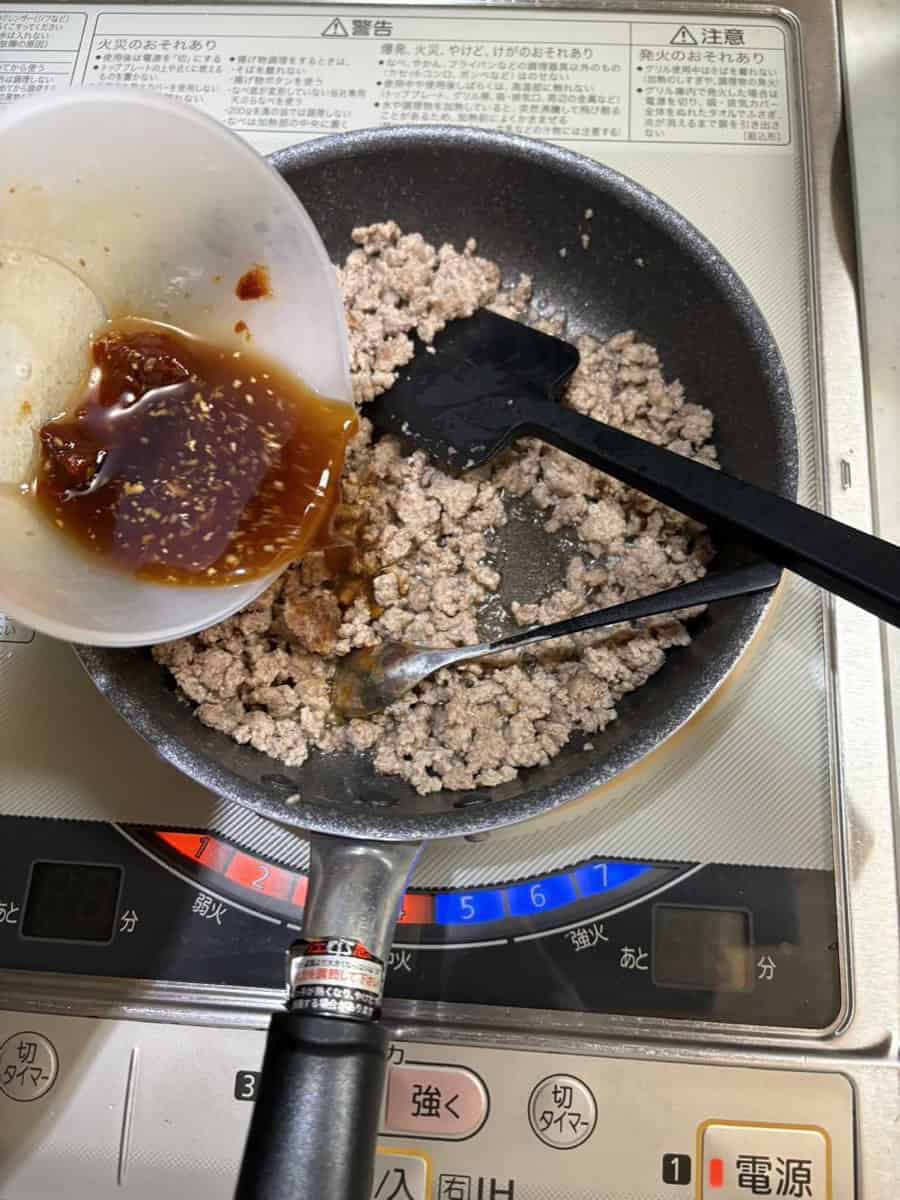
Mix the seasoning ingredients together, then pour them into the pan with the meat. Stir and let it cook down for a minute or two until the meat is glossy and the liquid has mostly reduced. Taste and add more gochujang if you want it spicier.
 Save
SaveStep 4: Assemble the Bowl
Put warm rice in a bowl. Arrange the seasoned meat, the three-color namul, and a spoonful of kimchi on top in separate sections. Crown it with a soft onsen egg and a sprinkle of sesame seeds. That’s it.

Step 5: Mix and Eat
Here’s the important part: before eating, mix everything together thoroughly — break the yolk, fold the rice, meat, namul, and kimchi together until it’s all combined. The mixing is what makes it bibimbap, and it’s where all the flavors come together. Eat it hot.

Tips and Variations
- Make the namul ahead. With namul in the fridge, this bowl takes about 10 minutes.
- Adjust the heat. More or less gochujang and kimchi lets you dial the spice up or down for kids.
- Try dolsot-style. Press the assembled bowl into a hot oiled pan or stone bowl to get crispy rice at the bottom.
- Swap the egg. A fried egg with a runny yolk works just as well as an onsen egg.
What to Serve It With
- A bowl of miso soup on the side.
- Extra namul as a separate side dish.
- A simple cucumber or cabbage salad to keep it light.
Storing
Bibimbap is best assembled and eaten fresh, but the components store well separately. The seasoned meat keeps in the fridge for 3–4 days (and reheats well), and the namul keeps just as long. Store everything separately and assemble a fresh bowl when you want one — cook the egg to order. I wouldn’t refrigerate a fully assembled bowl.
Frequently Asked Questions
What is bibimbap sauce made of?
The classic bibimbap sauce is based on gochujang (Korean chili paste), usually mixed with sesame oil, a little sugar, and sometimes soy sauce or vinegar. In this recipe I build that flavor into the meat itself with soy sauce, mirin, sake, sugar, and gochujang, so you don’t need a separate sauce.
Can I make bibimbap without gochujang?
Yes. Leave out the gochujang for a milder, soy-based meat topping that kids will happily eat — it’s still delicious. You can always serve gochujang on the side for anyone who wants to stir in some heat.
What vegetables go in bibimbap?
The traditional topping is namul — seasoned vegetables like spinach or komatsuna, carrot, and bean sprouts. My three-color namul is exactly what I use here. You can add or swap in mushrooms, zucchini, or soybean sprouts too.
Bibimbap (Korean Rice Bowl)
Ingredients
Method
- Have the three-color namul and soft onsen eggs ready.
- Brown the ground meat in a little oil over medium-high heat until cooked through.
- Mix the seasoning ingredients, add to the pan, and cook down for 1-2 minutes until glossy. Adjust gochujang to taste.
- Put warm rice in a bowl and arrange the meat, namul, and kimchi on top in sections. Add a soft onsen egg and sesame seeds.
- Mix everything together thoroughly before eating, breaking the yolk through the rice.