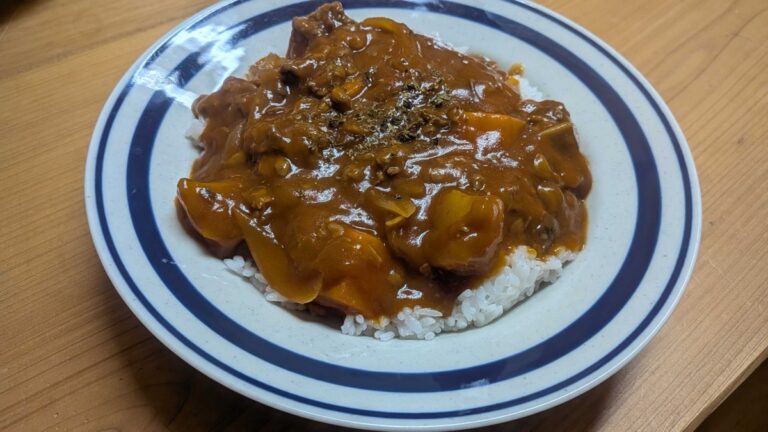
Tonjiru (Japanese Pork Miso Soup) — The Hearty Soup from Midnight Diner
Tonjiru (豚汁) is Japanese pork and vegetable miso soup: thin slices of pork, taro, daikon, carrot, burdock, and mushrooms simmered in dashi and finished with miso. It’s miso soup turned into a meal — thick with vegetables, rich from the pork, and the soup Japanese families make when the weather turns cold. With a bowl of rice and a piece of grilled fish, it’s a complete dinner.
This is how we make it at home. I started from a basic four-serving recipe, used shimeji and maitake because we didn’t have shiitake, and added what was in the fridge: some cabbage and a sheet of fried tofu. The seasoning is just instant dashi and our own homemade miso, and honestly, the amounts are a starting point. Every family seasons tonjiru by tasting it, and that’s what I do too.
Disclosure: some links below are affiliate links. As an Amazon Associate I earn from qualifying purchases, at no extra cost to you.
 Save
The Short Answer
If you just want the method:
- What it is: tonjiru is Japanese pork and vegetable miso soup — a hearty, everyday winter soup that’s almost a meal on its own.
- The base: for 4 servings, 900 ml water, about 1 tsp (3g) instant dashi granules, and about 60g (3½ tbsp) miso — then adjust by tasting.
- The method: fry ginger and pork in sesame oil, add the vegetables, then water and dashi. Simmer until the root vegetables are tender, and dissolve in the miso at the end.
- The pork and vegetables: thinly sliced pork belly is best. For vegetables, use whatever you like — taro, daikon, carrot, burdock, green onion, and mushrooms are classic, but cabbage, potato, or anything else in the fridge works.
Why You’ll Love This Recipe
- A soup that’s a meal. Pork and lots of root vegetables make it filling enough for dinner with just rice.
- Uses up the vegetable drawer. Almost any vegetable can go in.
- Deeply savory, not heavy. Frying the pork in sesame oil first gives the broth richness without any cream or butter.
- Even better the next day. Make a big pot and reheat it all week.
What is Tonjiru?
Ton (豚) means pork and jiru (汁) means soup — it’s also called butajiru. Where everyday miso soup is a light side with tofu and seaweed, tonjiru is the hearty version, packed with pork and root vegetables. It’s a winter staple in Japanese homes and a classic at school events and festivals, where it’s made in huge pots.
The Tonjiru Set Meal from Midnight Diner
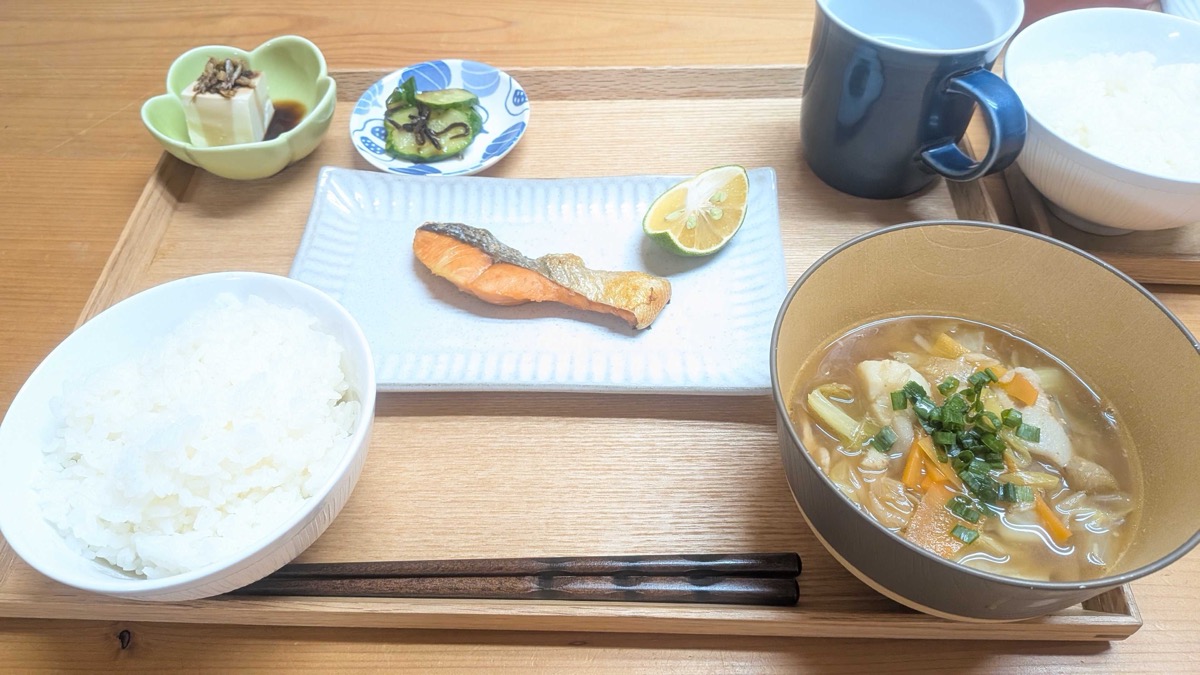
If you’ve watched Midnight Diner (Shinya Shokudo), you’ll know tonjiru: the tonjiru set meal is the one dish always on the menu at the late-night diner. That’s exactly the kind of meal in the photo below — a big bowl of tonjiru, rice, grilled fish, and a couple of small sides. It’s a very ordinary Japanese dinner, and that’s why it’s so comforting.
 Save
Ingredients (Serves 4)
| Ingredient | Amount | Notes |
|---|---|---|
| Thinly sliced pork belly | 250g (about 9 oz) | Recommended; any thinly sliced pork works |
| Taro (satoimo) | 2–3 small (100–150g) | Peeled, cut bite-sized |
| Daikon radish | 100g | Cut into thin rectangles |
| Carrot | 100g | Cut into thin strips |
| Burdock root (gobo) | 100g | Thinly cut, soaked in water |
| Green onion (negi) | 1 (about 100g) | Sliced; save some green tops for garnish |
| Mushrooms | About 100g | I used shimeji and maitake; shiitake is classic |
| Cabbage | A few leaves | Optional — what I had in the fridge |
| Aburaage (fried tofu) | 1 sheet | Optional; cut into strips |
| Toasted sesame oil | 1 tbsp | For frying |
| Ginger | A little, grated | Tube ginger is fine |
| Water | 900 ml (about 3¾ cups) | |
| Instant dashi granules | About 1 tsp (3g) | Adjust to taste |
| Miso | About 60g (3½ tbsp) | Adjust to taste |
The seasoning is only two things: Hondashi (instant dashi granules) and miso. I used our own rice miso, made for us from our rice by a local koji shop; any miso you like works — see my guide to the types of miso paste. Treat the amounts as a starting point. Miso brands vary a lot in saltiness, and the vegetables add their own sweetness, so the only reliable way is to add some, taste, and add more. For the pork, I recommend thinly sliced pork belly: its fat is what makes tonjiru taste rich. It’s fried in toasted sesame oil, which gives the soup its rich, nutty aroma.
 Save
How to Make Tonjiru
Step 1: Prep the Vegetables
Peel the taro and cut it into bite-sized pieces. Cut the daikon into thin rectangles and the carrot into thin strips. Cut the burdock thinly and soak it in water for a few minutes to stop it from browning, then drain. Slice the green onion, separate the mushrooms, cut the cabbage into bite-sized pieces, and cut the fried tofu into strips. Cut any large slices of pork into bite-sized pieces.
Step 2: Fry the Ginger and Pork in Sesame Oil
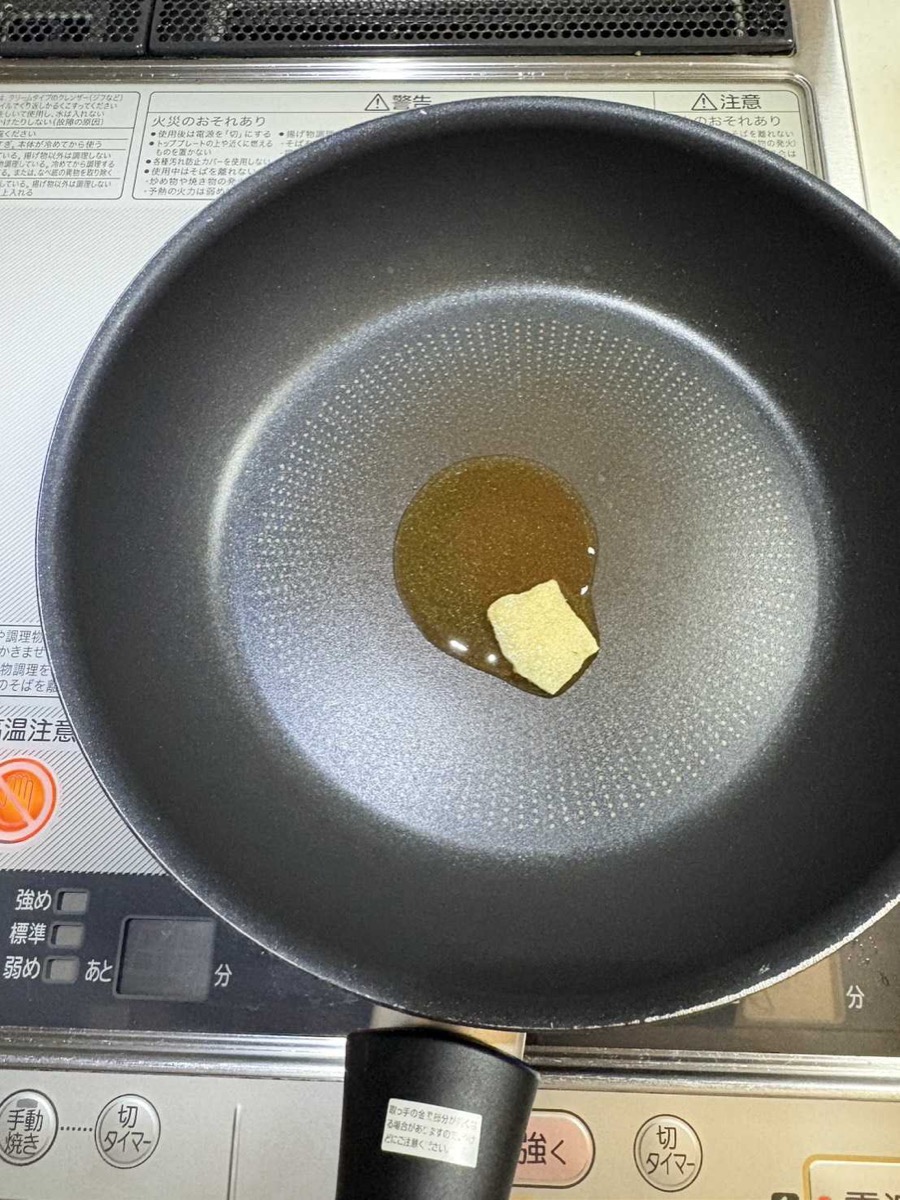
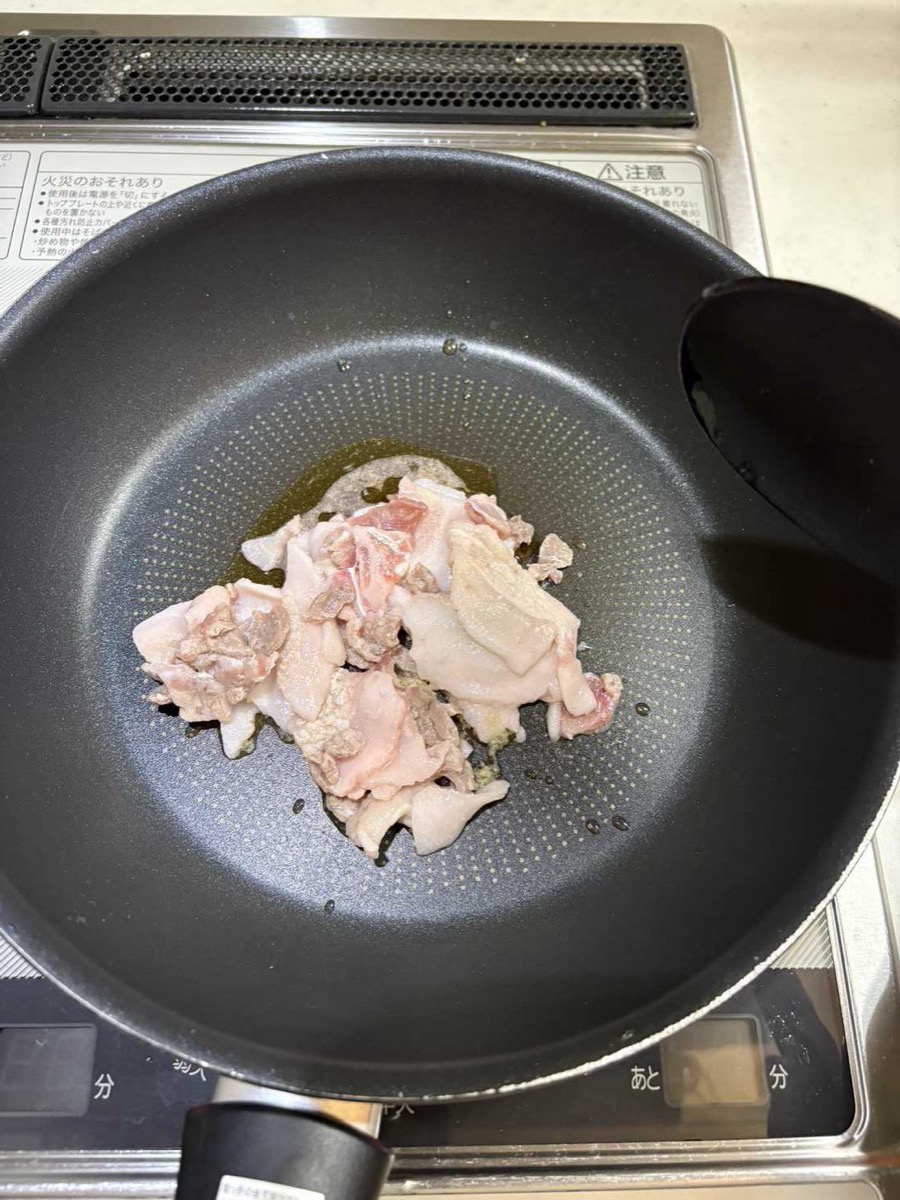
Heat the sesame oil in a large pot or deep frying pan, add the ginger, and stir for a few seconds until fragrant. Add the pork and fry until it’s no longer pink.
 Save
 Save
Step 3: Add the Vegetables and Stir-Fry Briefly
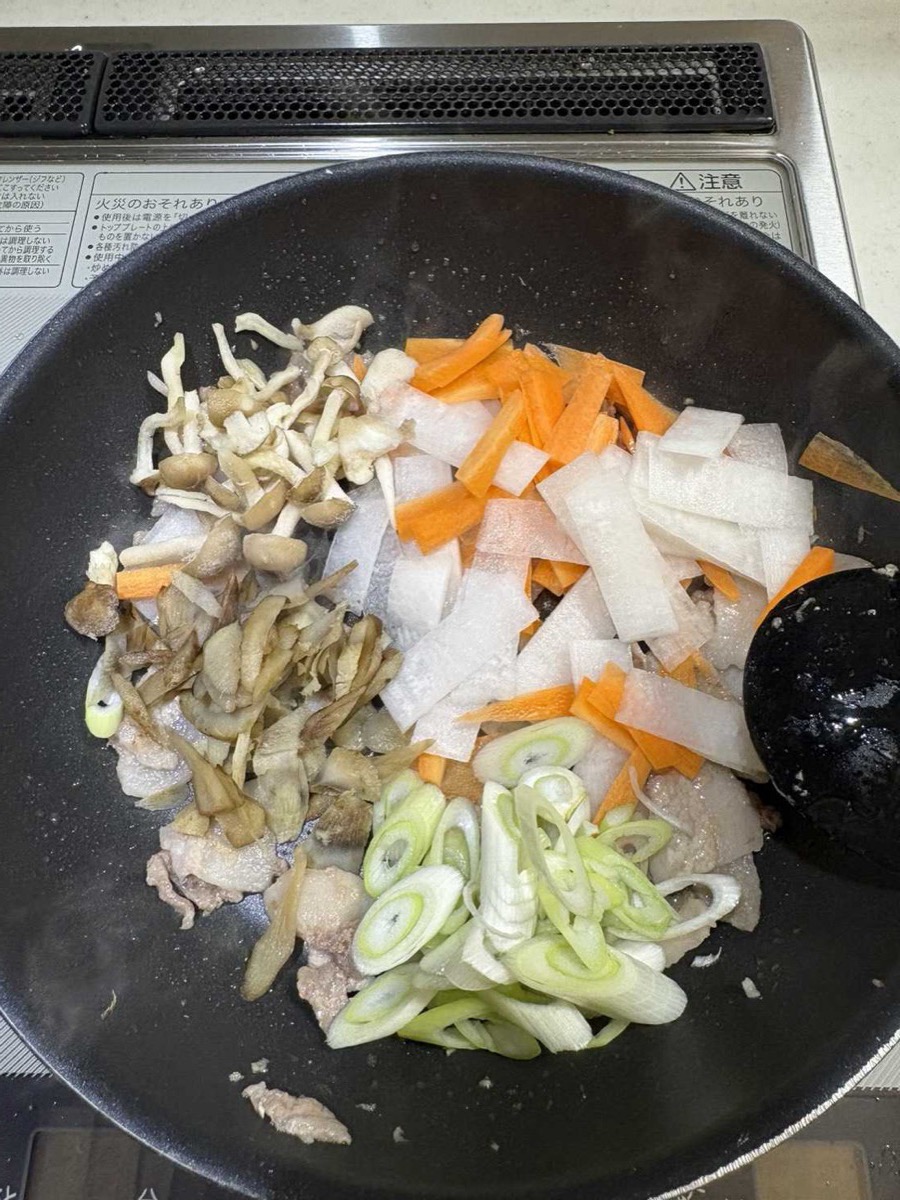
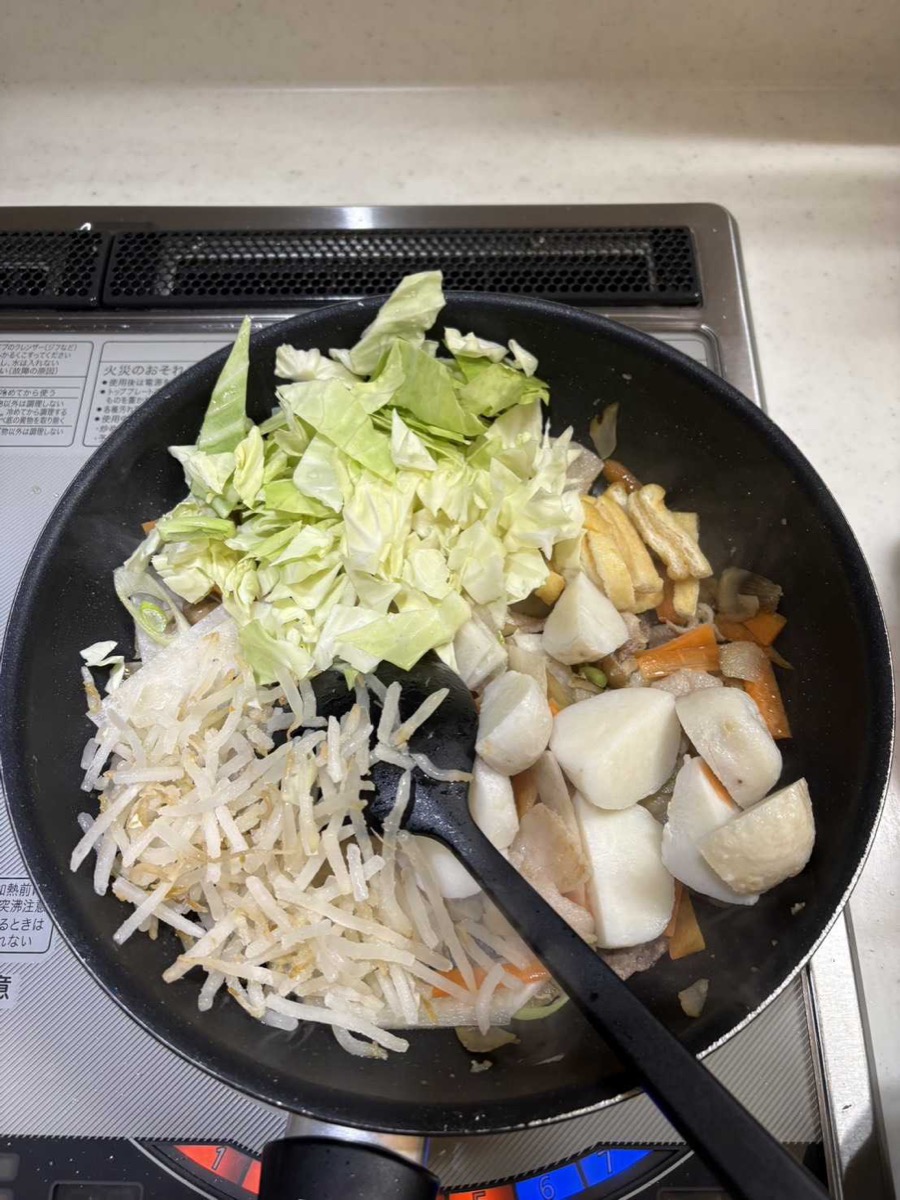
Add the daikon, carrot, green onion, and mushrooms and stir them through the pork and oil. Then add the burdock, taro, cabbage, and fried tofu and stir-fry for another minute or two. Coating the vegetables in the pork fat and sesame oil before adding water is what makes the broth taste rich.
 Save
 Save
Step 4: Add Water and Dashi and Simmer
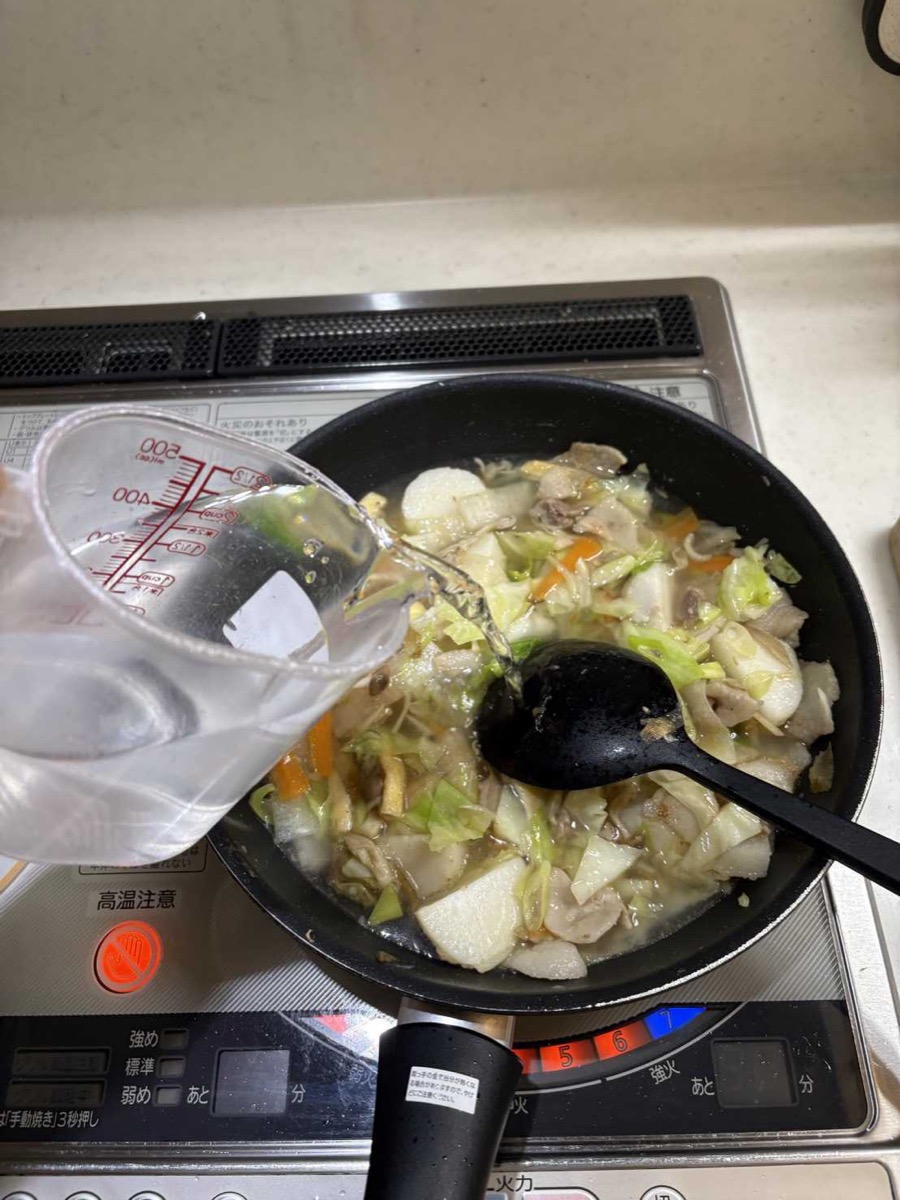
Pour in the water and bring it to a boil. Skim off any foam, add the dashi granules, and simmer over medium-low heat for 10–15 minutes, until the taro and daikon are tender when poked with a chopstick.
 Save
 Save
Step 5: Dissolve the Miso and Taste
Turn the heat down to low. Put the miso in a small strainer or ladle, lower it into the soup, and stir it with chopsticks or a spoon until it dissolves. Add about two-thirds first, taste, and add more until it tastes right to you. Don’t let the soup boil hard after the miso goes in, or the aroma fades.
 Save
Step 6: Serve with Green Onion
Ladle into large bowls and top with chopped green onion. A few drops of sesame oil or a pinch of shichimi pepper on top is good too.
 Save
Tips and Variations
- Season by tasting. The amounts of dashi and miso are only a guide. Add the miso gradually and stop when it tastes right.
- Use the vegetables you like. There’s no fixed list. Potato instead of taro, konnyaku, onion, spinach, or bean sprouts all work. At home I just put in whatever we like and whatever needs using up.
- Pick pork belly if you can. The fat melts into the broth and makes it rich and slightly sweet. Leaner cuts work but taste lighter.
- Don’t skip the sesame oil. Frying the pork first is what makes it taste like tonjiru rather than miso soup with pork in it.
- No instant dashi? Kombu water or a light chicken stock works. See my guide to dashi substitutes.
- Make it a day ahead. The vegetables soak up the broth overnight and it tastes even better.
What to Serve It With
- Rice and grilled salmon, as in the photo — the classic tonjiru set meal.
- Onigiri: tonjiru and rice balls are a very common Japanese lunch. Try air fryer yaki onigiri.
- Something fried, like karaage, for a bigger dinner.
Storing and Reheating
Keep leftovers in the fridge for up to 3 days and reheat gently until hot, without boiling hard. Honestly, we rarely freeze tonjiru at home. A pot usually disappears over the next day or two, and it tastes better on day two anyway. If you do need to freeze it, taro and daikon turn spongy once frozen, so take them out first.
Frequently Asked Questions
What is the difference between tonjiru and miso soup?
Tonjiru is a type of miso soup made with pork and lots of root vegetables, fried in sesame oil before simmering. Everyday miso soup is lighter, usually with tofu, seaweed, or green onion. Tonjiru is hearty enough to be the main part of a meal.
What is the best miso for tonjiru?
Any miso you like. Awase (blended) or rice miso is the most common choice. Red miso makes a deeper, saltier soup; white miso makes it sweeter and milder.
Can you freeze tonjiru?
You can, but we rarely do. In most Japanese homes a pot of tonjiru is eaten within a couple of days from the fridge. If you freeze it, taro and daikon get a spongy texture, so remove them first.
Is tonjiru the soup from Midnight Diner?
Yes. In Midnight Diner, the tonjiru set meal — pork miso soup with rice and side dishes — is the only fixed item on the menu.
Tonjiru (Japanese Pork Miso Soup)
Ingredients
Method
- Cut the vegetables into bite-sized pieces. Soak the cut burdock in water for a few minutes and drain. Cut the pork into bite-sized pieces.
- Heat the sesame oil in a large pot, add the ginger, then fry the pork until no longer pink.
- Add all the vegetables (and fried tofu, if using) and stir-fry for 1 to 2 minutes to coat them in the oil.
- Add the water and bring to a boil. Skim off the foam, add the dashi granules, and simmer for 10 to 15 minutes until the taro and daikon are tender.
- Reduce the heat to low and dissolve about two-thirds of the miso. Taste and add more until it tastes right. Do not boil hard after adding the miso.
- Serve in large bowls topped with chopped green onion.